The Perfect 3-Day Hanoi Itinerary for First-Timers (2026 Local Guide)
- March 12, 2026
- Travel
Three days in Hanoi is enough time to fall completely in love with this city — if you use them well. We’re... Read More
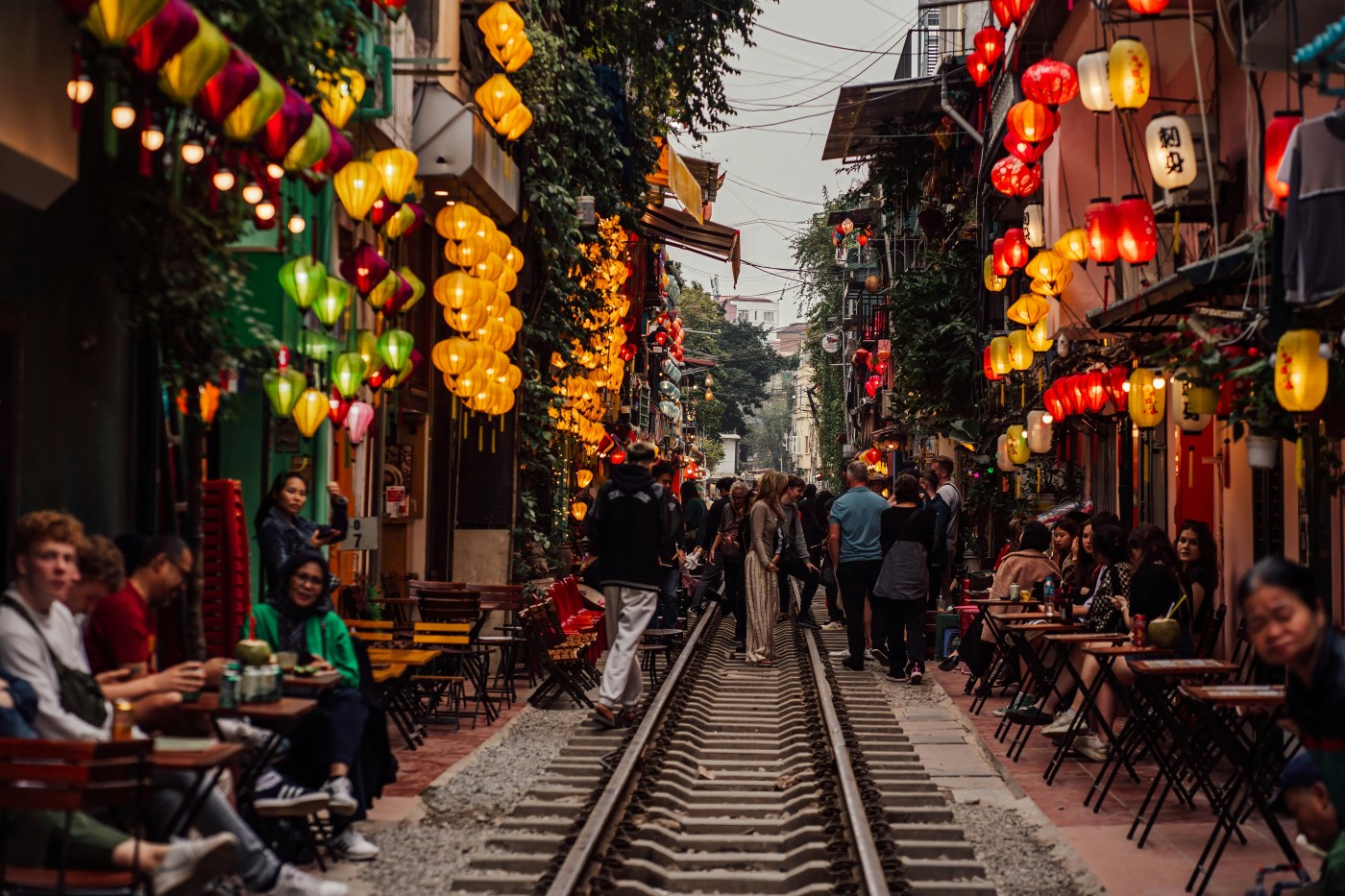
You’ve seen the incredible photos and viral videos: a massive train rumbling through a narrow residential street, just inches from the buildings. This is Hanoi’s famous Train Street, a vibrant tourist attraction that offers unique photo opportunities amidst the chaotic backdrop of passing trains.
But beyond the social media hype lies a more complex reality. It’s an experience that requires visitors to navigate its commercialization, safety concerns, and the need for respectful engagement with the local community.
So, what’s the real story? Is it open? Is it worth it? And what’s the best way to experience it responsibly? As locals with a property right on the tracks, we’ve got the inside scoop. Here is your definitive, up-to-date guide for 2025.
What was once an overlooked residential area has exploded into a top tourist attraction, largely due to social media. This has brought both opportunities and challenges. The experience can be mixed; while it offers a thrilling spectacle, it has also been affected by overtourism, resulting in safety concerns.
Since its reopening after 2019 and the pandemic, access has become more managed. Today, the only way to get onto the street is to be a patron of one of the many picturesque cafes and shops situated perilously close to the tracks. This means tourists are expected to make a purchase to gain access, creating a somewhat transactional experience that can feel inauthentic to some, but still remains visually captivating.
Given the realities, visiting responsibly is key. This is not a theme park; it is a working train line and a real neighborhood where people live.
Listen to the Cafe Owners: They have a vested interest in safety and will tell you exactly when to clear the tracks and where it is safe to stand. Follow their instructions without question.
Stay Behind the Line: There will be a painted yellow or white line. Do not cross it when the train is approaching. The train is wider than the tracks.
Be a Respectful Guest: Remember you are in a residential area. Keep your voice down, don’t block doorways, and be mindful that you are a guest in the community. Adhere to all local customs and safety regulations.
This is the most important question! The schedule can be variable, so it’s always a good idea to confirm with locals or cafe owners upon arrival. However, this is a reliable general schedule.
Weekday Schedule (Approximate):
[e.g., 7:00 PM, 7:45 PM, 8:30 PM, 9:15 PM]
Weekend Schedule (More Frequent):
[e.g., 9:15 AM, 11:30 AM, 3:30 PM, 5:45 PM, 6:45 PM, 7:45 PM, etc.]
Our advice: Arrive at a cafe at least 20-30 minutes before the scheduled time to get a good seat, as it gets very crowded. Daytime visits are often less busy than the evening slots.
While the cafes offer access, they can be crowded, and the experience can feel commercialized. Is there a better way?
We believe so. Nothing beats watching this spectacle from the comfort, privacy, and safety of your own room. Guests at [Your Train Street Property Name] can witness the train pass directly by their window—an immersive, unobstructed, and truly authentic experience, far from the crowds. You get to see the street return to its normal, quiet rhythm moments after the train has passed.
Ready for a once-in-a-lifetime stay? Don’t just visit Train Street—experience it in the most unique and personal way possible.
Join The Discussion